Diseases & Consultancy

Cardiovascular Diseases

01 / 07

Cardiovascular Diseases

Cardiovascular disease (CVD), or disease of the circulatory system, can broadly be grouped into organic and functional disorders. The supplied source states that some organic conditions may require surgery, while others may be managed with appropriate diet, lifestyle changes and medication. It identifies angina, blockages and heart attack among common cardiovascular conditions. Other conditions include hypertension, hypotension, atherosclerosis, tachycardia, bradycardia, coronary thrombosis and heart failure.

Angina and blockages: Angina is a type of chest pain that may feel like squeezing or pressure and can spread to the shoulder, neck or arm. Episodes commonly last from 1 to 30 minutes, although they may last longer. Angina can occur when the heart muscle does not receive enough blood flow and may be associated with coronary artery disease. Because chest pain can signal a heart attack, urgent medical assessment is important. The source discusses angiography and advises readers to consider their options carefully; decisions about tests should be made with a qualified cardiologist and must not delay emergency care.

Coronary thrombosis and heart attack: A coronary thrombosis is a blood clot that forms in a blood vessel or artery supplying the heart. It can partly or completely obstruct blood flow and oxygen supply, potentially causing a heart attack. Symptoms can include tightness or pain in the chest, neck, back or arms, fatigue, light-headedness, an abnormal heartbeat and anxiety. Symptoms can vary, and some people may not experience typical chest pain. A suspected heart attack is a medical emergency.

Hypertension (high blood pressure): This is a condition in which pressure in the arteries is elevated, making the heart work harder to circulate blood. The source refers to a blood pressure reading of 130/80 mmHg or above; diagnosis and interpretation should be based on appropriate measurements and advice from a healthcare professional.

Hypotension (low blood pressure): The source refers to blood pressure around 90/60 mmHg or lower. Severe low blood pressure can deprive the brain and other organs of oxygen and nutrients and may lead to a life-threatening condition called shock.

Varicose veins: These are enlarged, twisted veins that may bulge near the skin’s surface. Conditions that increase pressure in the abdomen, including pregnancy, constipation and some tumours, may contribute to their development.

Tachycardia and bradycardia: These terms refer to a heart rate that is faster than normal or slower than normal, respectively. In adults at rest, tachycardia is generally a heart rate above 100 beats per minute, while bradycardia is generally below 60 beats per minute; the significance depends on the individual and their symptoms.

Atherosclerosis: This occurs when fatty deposits, including cholesterol, build up in artery walls and form plaques.

Heart failure: This is a condition in which a functional or structural heart problem reduces the heart’s ability to fill with or pump blood effectively around the body.

Other heart conditions include atrial fibrillation, valvular heart disease, cardiac enlargement, cardiac dilation and cardiac hypertrophy.

Cardiovascular risk factors include age, high blood pressure, high cholesterol, smoking, alcohol consumption, family history, obesity, physical inactivity, stress, prolonged sitting, diabetes, diets high in junk, fried or processed foods, some sweeteners and air pollution. Age and family history cannot be changed, but many other risk factors can be addressed through evidence-based lifestyle changes, medical care and wider social measures.
02 / 07

General Naturopathy-Based Guidance for Cardiovascular Health

The source provides the following general lifestyle suggestions. These are not a substitute for medical assessment or prescribed treatment. Dietary, exercise and fluid recommendations should be individualised, particularly for people with heart or kidney conditions.

  • Choose a balanced, fibre-rich diet with plenty of fresh fruit and vegetables and appropriate whole grains. The source also mentions fox nuts (makhana) and raw honey.
  • Include a variety of vegetables, salads, sprouts and vegetable soups, such as soups made with bottle gourd, pointed gourd, tinda, carrots, turnips or tomatoes. Adjust roti, rice and other foods to your individual nutritional needs. The source also mentions fresh buttermilk.
  • Monitor salt and sodium intake according to your clinician’s advice. Rock salt is not necessarily lower in sodium than regular salt, so it should not be considered a treatment for high blood pressure.
  • The source suggests replacing refined sugar with options such as unprocessed stevia leaves, desi khand, bura, jaggery or raw honey. Honey and jaggery are still sources of sugar and should be used in moderation.
  • The source describes an herbal tea containing Arjuna, tulsi, ashwagandha, licorice, banaphsha, dry ginger, cinnamon, black pepper, cloves and cardamom, and also mentions its Herbal Tea Cardio product. Herbal products can interact with medicines; consult a qualified clinician or pharmacist before use.
  • The source mentions garlic and dry-roasted flaxseed powder. These should not replace prescribed cardiovascular medicines, and supplements may not be suitable for everyone.
  • Limit fried, highly processed, junk and packaged foods. If using ghee or butter, consider portion size and your individual dietary advice.
  • Eat balanced meals and avoid overeating. The source suggests an earlier evening meal and mentions vegetable soup, fruit and moderate portions of roasted grains.
  • Include sources of vitamin C, such as fruit. Lemon water may be part of a balanced diet, but it is not a cure for heart disease.
  • Avoid tobacco and smoking, and limit or avoid alcohol and sugary or carbonated drinks.
  • Monitor cholesterol, triglycerides, blood pressure and body weight with appropriate medical guidance. Avoid excessive exertion and manage stress in ways that work for you.
  • Walking, suitable light exercise, yoga and breathing practices may support general well-being. Choose activities according to your condition and your healthcare professional’s advice.
  • The source mentions a daily spine bath and remaining active while balancing activity with rest. Discuss any bathing or temperature-based practice with a clinician if you have cardiovascular symptoms or other health concerns.

Yoga: Tadasana, Bhujangasana, Gomukhasana, Markatasana, Pavan Muktasana and Uttanpadasana.

Pranayama: Anulom Vilom, Bhramari and Udgeeth. Practise breathing exercises gently and stop if you feel unwell.

Chanting: Om, Mahamrityunjaya Mantra and Gayatri Mantra.

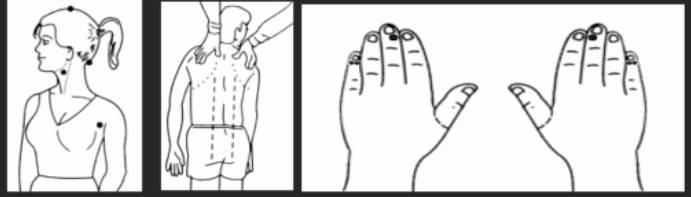
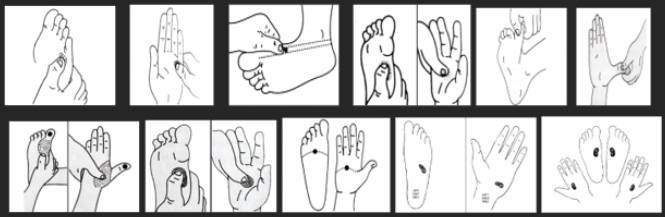
Acupressure: The source refers to the acupressure points shown below.

Acupressure points referenced in the source

03 / 07

High Blood Pressure

Specific treatment information in the source (Homoeopathy, Naturopathy, Yoga and Acupressure):

  • Refer to the general lifestyle guidance above, adapted to your personal medical needs.
  • The source lists Crataegus Q, Terminalia Arjuna Q, Rauwolfia Q and Passiflora Q and gives dosage instructions. These products are not proven substitutes for blood-pressure treatment and may cause side effects or interact with medicines. Do not start them without advice from a qualified healthcare professional.
  • The source lists Butterfly, Balasana, Hastapadungushtasana, Utkatasana, Tadasana, Markatasana, Bhujangasana, Setu Bandhasana and Savasana. Choose suitable poses and avoid positions that cause discomfort.
  • Pranayama: The source mentions Anulom Vilom, Bhramari, Udgeeth and Sheetali, and says Bhastrika should be performed slowly without forceful exhalation. Practise only if appropriate for your health.

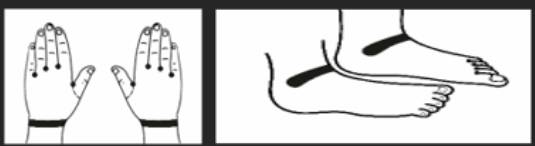
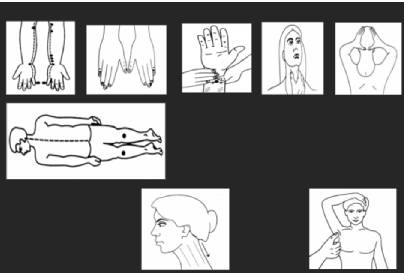
Acupressure: The source refers to the points shown below in addition to those mentioned in the general section.

Acupressure points referenced in the source

04 / 07

Low Blood Pressure

  • Move slowly and avoid sudden changes from one posture to another.
  • Ask a healthcare professional whether your vitamin B12 level needs to be checked.
  • Maintain appropriate fluid intake. The source mentions lemon water with raw honey and salt and electrolyte drinks; fluid and salt needs vary, particularly in people with heart or kidney conditions.
  • The source mentions tulsi leaves, tulsi tea and herbal tea. Check with a healthcare professional before using herbal products, especially if you take medicines.
  • The source lists Viscum Album Q, Adonis Vernalis Q, Cactus Grandiflorus Q, Gelsemium Q, Calc. Sulph 3X, Kali Phos 3X, Natrum Mur 3X, China 6 and Ferrum Metallicum 6. These are source-provided homeopathic recommendations and are not a substitute for medical care. Do not use them to manage an emergency or delay assessment.
  • The source lists Surya Namaskar, Ustrasana, Matsyasana, Padma Sarvangasana and Pavan Muktasana. Breathe comfortably and move slowly between postures.
  • The source also mentions Bhrastika, Kapalbhati and Surya Bhedi breathing practices. Avoid forceful breathing and seek professional guidance if you have cardiovascular symptoms.

Acupressure: The source refers to the points shown below.

Acupressure points referenced in the source

05 / 07

Valvular Disorders

  • Refer to the general cardiovascular health guidance above.
  • The source mentions walking, cycling, swimming and light exercise. The appropriate activity level depends on the type and severity of the valve condition; follow your cardiologist’s advice.
  • The source invites readers to contact the organisation for a specific consultation with complete details. Do not start or change medicines without qualified medical advice.
  • The source lists Butterfly, Tadasana, Gomukhasana, Pavanmuktasana, Markatasana, Bhujangasana and Savasana.
  • The source mentions Bhastrika, Anulom Vilom, Bhramari, Ujjayi, Udgeet and Sheetali. Practise gently and only when appropriate for your condition.

Acupressure: The source refers to the points shown below.

Acupressure points referenced in the source

06 / 07

Angina Pectoris

The source discusses a combination of Homoeopathy, Naturopathy, yoga and acupressure and states that cardiologist involvement may depend on the patient’s overall health. Angina can be a sign of serious coronary artery disease. Chest pain, pressure or discomfort—especially if new, severe, persistent, or accompanied by breathlessness, sweating, nausea or faintness—requires urgent medical assessment. Do not delay emergency care while trying alternative therapies.

The source expresses reservations about angiography, angioplasty and bypass surgery. These procedures are used for different clinical reasons, and whether they are appropriate depends on a person’s symptoms, test results and overall risk. Discuss the benefits, risks and alternatives with a qualified cardiologist before making a decision.

The source compares conventional angiography with CT angiography and discusses the information each may provide. ECG, echocardiography, CT angiography and invasive coronary angiography serve different purposes; no single test is sufficient for every patient. Your treating clinician can recommend the appropriate investigation.

The source encourages readers to seek a cardiologist’s opinion and names Dr. Aarti Dave Lalchandani, M.D., D.M. Cardiology, FCSI, FAPVIS, associated with GSVM Medical College, Kanpur. It recommends viewing her YouTube videos before making decisions. Any treatment decision should be based on an individual clinical assessment and reliable medical advice.

The source recommends combining appropriate medication with Naturopathy-based practices. Lifestyle measures may support cardiovascular health, but they do not replace evidence-based treatment or prescribed medication. Do not stop or change prescribed medicines without consulting your clinician.

  • Yoga: Trikonasana, Tadasana, Gomukhasana, Vrikshasana, Sarvangasana, Padangusthasana, Dhanurasana, Utkatasana, Bhujangasana and Shavasana. Choose activities that are safe for your condition.
  • Pranayama: The source mentions Anulom Vilom, Bhramari and Udgeet. Start gently and avoid breath-holding or forceful breathing unless advised by a qualified professional.
  • Walking: The source recommends building up walking gradually. Stop if you experience chest pain, discomfort, dizziness or shortness of breath, and seek medical advice. Use medicines such as Sorbitrate only if prescribed and as directed by your cardiologist.
  • Acupressure: The source refers to the points described in the high blood pressure section.

The source describes Homoeopathy, yoga, pranayama and walking as core practices and makes claims about long-term improvement. These practices may support general well-being, but they are not proven cures for coronary artery disease and must not replace prescribed treatment. Consult a cardiologist about safe activity, medicines and treatment options.

The source states that it cannot recommend specific Homoeopathic medicines for this condition without an individual consultation.

07 / 07

Varicose Veins

  • Follow general cardiovascular health guidance. The source mentions a diet including buttermilk, juicy fruits, leafy vegetables and vegetable soup, eating slowly and maintaining a healthy weight through balanced food intake and activity.
  • Avoid constipation and seek appropriate advice if it persists.
  • The source mentions hot and cold fomentation on affected veins. Ask a healthcare professional whether this is appropriate for you.
  • The source recommends using a cotton mattress rather than a foam mattress.
  • When resting, the source suggests elevating the legs with a pillow or similar support.
  • Walking and regular movement may help general circulation; choose a pace that is comfortable and safe.
  • Avoid high-heeled shoes if they cause discomfort.
  • Avoid remaining in one position for long periods; take movement breaks when possible.
  • The source recommends drinking at least 2.5–3 litres of water daily. Individual fluid needs vary, especially for people with heart or kidney conditions, so follow your clinician’s advice.
  • The source mentions lower-limb massage and applying mud to the lower limbs. Seek advice before trying these approaches, particularly if you have pain, skin changes or swelling.

Homeopathic medicines: The source lists Hamamelis 6 and Ferrum Phos 3X. Homeopathic products are not proven treatments for varicose veins; consult a qualified healthcare professional before using them.

  • The source lists Pulsatilla 30 for vein pain. Do not use it as a substitute for assessment or evidence-based treatment.

The source describes applying a pad saturated with Hamamelis Q if a vein ruptures and bleeds. Significant or persistent bleeding requires urgent medical care.

  • The source lists Surya Namaskar, Naukasana, Sarvangasana, Shirsasana, Uttanpadasana, Tadasana, Gomukhasana, Vipreet Karani, Pawanmuktasana, Balasana and Malasana. Choose poses suitable for your health and practise under qualified guidance.
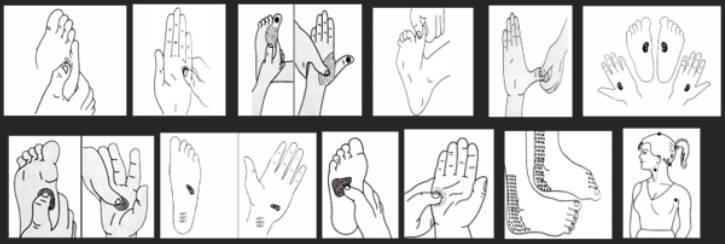
  • Acupressure: The source refers to the points shown below.

Acupressure points referenced in the source

Contact Us

Do You Have Any Questions?
Let's Talk.

Consultation and comprehensive medical guidance are also available online.

Contact Us

Language

Select your Preferred Language to
Enter the Website

वेबसाइट में प्रवेश करने के लिए अपनी पसंदीदा भाषा का चयन करें

हिंदी ENGLISH