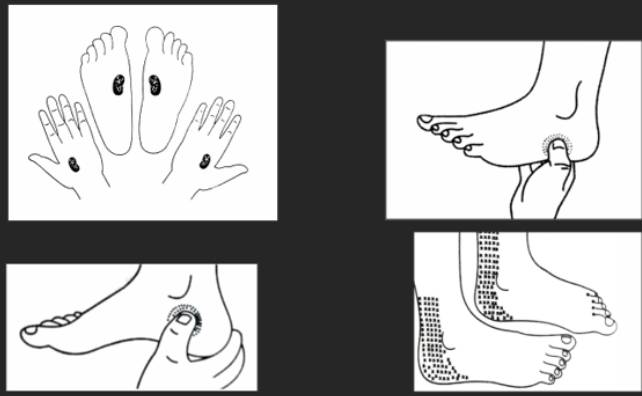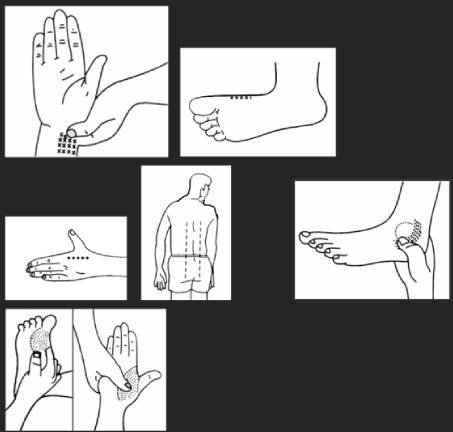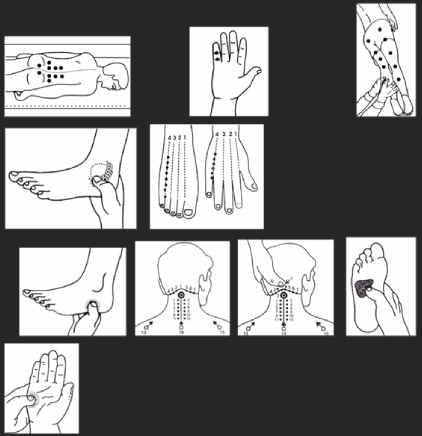
Nephrolithiasis is the formation of a kidney stone in the kidney or urinary tract. Kidney stones may lead to blood in the urine or abdominal pain. Their formation is associated with decreased urine volume or increased excretion of calcium, phosphate, urate, cystine, and other components. Stones can range in size from tiny grains to as large as a ball. Typically, a 4 mm stone has an 80% likelihood of passing, while a 5 mm stone has about a 20% likelihood of passing from the body.
People with kidney stones may experience sudden, severe, intermittent pain that does not easily go away when they change body position. The pain may radiate from the back to the flank and groin. Nausea and vomiting may also occur. Common factors associated with kidney stone formation include reduced fluid intake, medicines that increase uric acid levels, exercise that leads to repeated dehydration, and gout-related issues.