
PADA HASTASANA
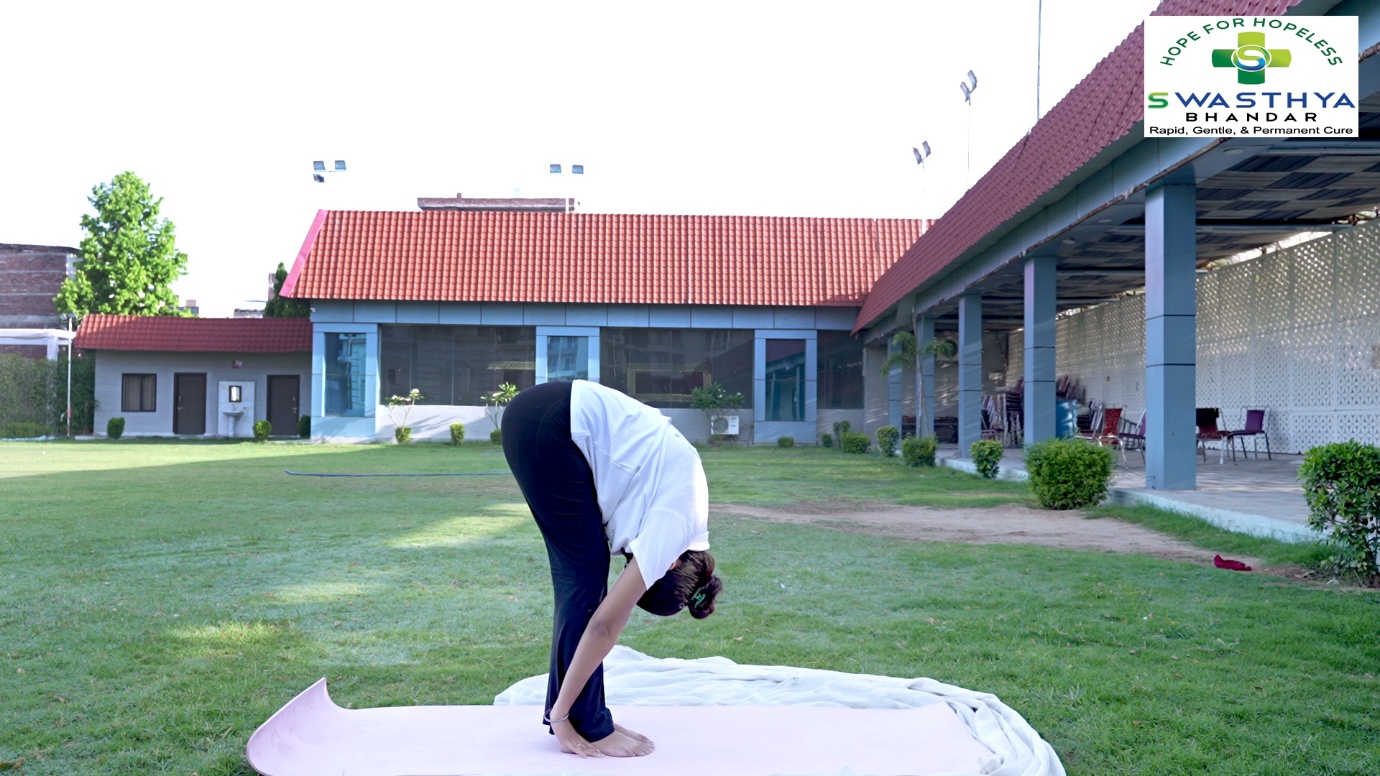
Method of Practice: Pada Hastasana
-
01
Stand upright with your feet together and your arms resting alongside your body. Distribute your body weight evenly on both feet. -
02
Inhale and raise both arms overhead. -
03
Exhale slowly and bend forward from the hips, bringing your forehead as close to your knees as possible. -
04
Try to bring your forehead into contact with your knees, but never force the movement. Bend only as far as your flexibility allows. With regular practice, your flexibility will gradually improve, allowing you to achieve the full posture naturally. -
05
Remain in this position for 5–10 seconds, breathing normally. -
06
Inhale and slowly return to the starting position in a controlled manner. -
07
Repeat the posture 3–5 times.
Benefits of Pada Hastasana
- Pada Hastasana is an excellent forward-bending posture that stretches the entire posterior chain of the body, including the spine, hamstrings, calves, and back muscles.
- It improves the flexibility of the spine, enhances blood circulation, stimulates the abdominal organs, and revitalizes the nervous system.
- The posture also promotes healthy digestion, supports weight management, and helps improve overall body posture.
Therapeutic / Supportive Uses For
- This asana is particularly beneficial for diabetes, digestive disorders, constipation, hyperacidity, excessive gas, menstrual discomfort, reduction of abdominal fat, mental stress, and mild depression.
- It may also serve as a supportive practice in the management of asthma, hypertension (under supervision), sciatica, and back pain.
Contraindications / Precautions
- Practice Pada Hastasana only under the guidance of a physician or qualified yoga therapist if you have any medical condition, especially: Acute or severe low back pain
- Slipped (herniated) disc
- Severe sciatica
- Recent spinal, abdominal, or hip surgery
- Severe osteoporosis
- Uncontrolled high blood pressure
- Vertigo or balance disorders
- Glaucoma or conditions where prolonged head-down positions are contraindicated
- Individuals with chronic musculoskeletal, cardiovascular, or neurological disorders should perform this posture only after obtaining appropriate medical advice. Top of Form Bottom of Form
Need Expert Guidance?
Our yoga experts are here to help you practice correctly and safely for maximum benefits.
Book an Appointment